Hey guys
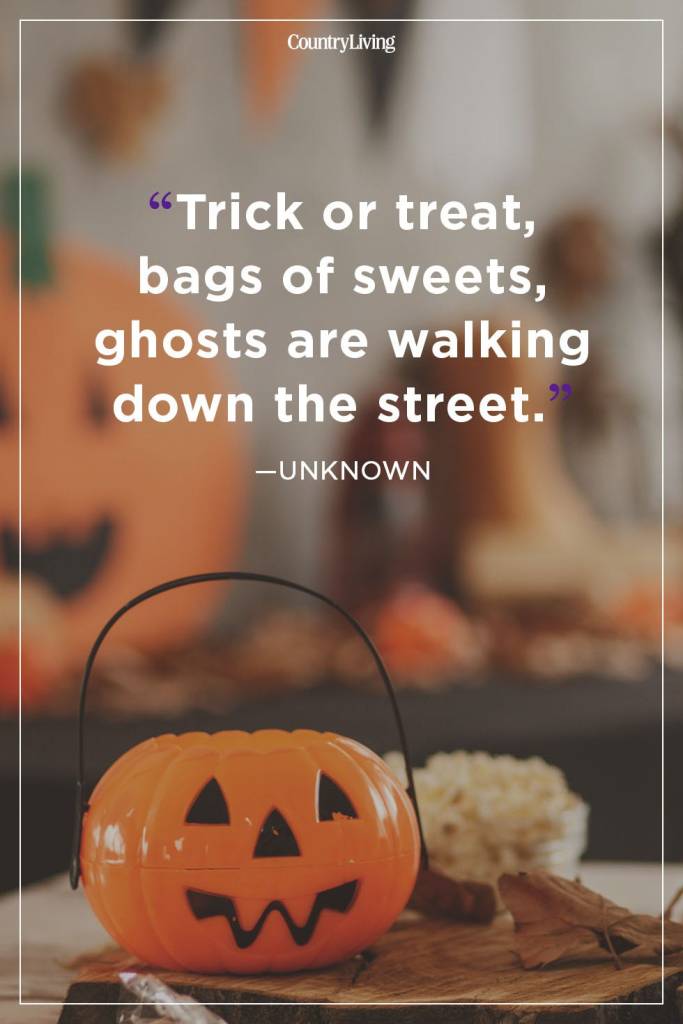
It is now that time of the year where we all celebrate Halloween by going out trick or treating with the little kids and get lots of candy, or if you don’t have any kids then its time to celebrate it by going out to the biggest and best party you can find and party all night long, resulting in a hangover the next day.
Have you ever stopped to think about what the history of Halloween is, I certainly have, which is why I have decided to write about it. So, let’s dive into it!
The celebration of Halloween has 2 different origins. The first one is in a pre-Christian Celtic feast associated with the Celtic New Year. The second one is in the Christian celebration of All Saints Day (1st Nov) and All Souls Day (2nd Nov). In the British Isles November 1st is called All Hallows, therefore the evening before is All Hallows Eve.
Let’s talk about The Celtic Feast first
The ancient Celtic peoples who live in England, Wales, Scotland, Ireland and Brittany celebrated their New Year’s Day on what would be November 1st on our calendar. The period prior to the New Year, as the year slowed down, was a time that most of the people considered to be the mystery of human death. It was believed that on the last night of the year the lord of death, Samhain, allowed the souls of the dead to go back to their homes. Souls that had died in sin, and in Celtic belief imprisoned in the bodies of animals, could be released through gifts to the lord of death, including human sacrifices. The people believed that evil spirits, demons, ghosts, witches were also free to roam around this night and could be calmed down by a feast. They would also leave you alone if you dressed like them and appeared to be one of them. Families would also extinguish their hearth fires on this evening to be re-lit from a common New Year’s bonfire built on the hilltops, which was meant to symbolize the driving away of darkness and evil with the coming of the new year. The jack-o-lantern as a means of scaring away evil and providing light may be a vestige of this custom. When the Romans conquered France and Britain in the century before and after Christ, the bloody elements of Druidic practice were banned.
Now let’s talk about The Christian Feast of All Saints and Souls
During the first 3 centuries of Christianity the Church had to operate “underground” due to the persecutions of the Roman state against her. During this time there were many martyrs who died for their faith in Jesus Christ. The most renowned of these were honoured locally by the preservation of the relics and by the celebration of the anniversary of their death, as a feast in honour of their birth into eternal life. As time passed, neighbouring dioceses would honour each other’s martyrs and exchange relics for respect, the way the first century Christians kept the clothes and handkerchiefs touched by St. Paul.
At the end of the 3rd century and the beginning of the 4th the most vicious of all persecutions occurred, and that would be the time of the emperor Diocletian. The martyrs became so many that in some places it was impossible to commemorate even the most important ones. The need for a common feast of all martyrs was becoming evident. In the middle of the 4th century, these feasts became a reality in some places.
The feast of All Souls developed more gradually, first with a monastic celebration of their departed on October 1st. This seems to have occurred first in Germany in the 900s. The patronage of St. Odilio of Cluny extended this feast to other monasteries, first of his own Order, then to Benedictines and others, from where it spread to dioceses, including Rome. It was only in 1915 that the special privilege of three Masses was granted to all priests by Pope Benedict XV.
Now let’s not forget about Halloween during Christian times
The conversion of Celtic peoples to Christianity did not dampen their enthusiasm for the pre-Christian year-end custom of feasts, bonfires, and masks, and New Year’s Eve costume parties. The proximity to the developing Christian feasts of All Saints and All Souls resulted in an attempt to move the celebration to the evening before All Souls, when children would go door to door receiving treats for a promise of prayer for the dead of the household. This attempt to associate the Celtic remembrance of the dead with the Christian memorial failed and the celebration remained a year-end custom, though Halloween remains mainly a children’s feast.
With the massive emigration of Irish in the last century the All Hallows Eve customs of costumes, jack-o-lanterns and trick or treating, were transported to North America. Scary costumes remain the historical norm for Halloween, though the advent of more sinister and violent times has encouraged many parents to take a gentler approach. Today many families, and even parishes, host parties, often with costumes of the saints, the poor souls or famous Catholics and other elements which re-enforce the Christian side of Halloween’s origins.
I hope you enjoyed my post and found these facts to be as interesting as I thought they were. I certainly didn’t realise how much history there really was.
 Kelly's Daily Blog
Nice article
LikeLike
Thank you, I am so happy you enjoyed it
LikeLike